I’m an engineering student, specialized in design and innovation.
My goal is to create a world in which technology helps us to connect both with our bodies and environment.
PORTFOLIO
PORTFOLIO
Fruit-fly
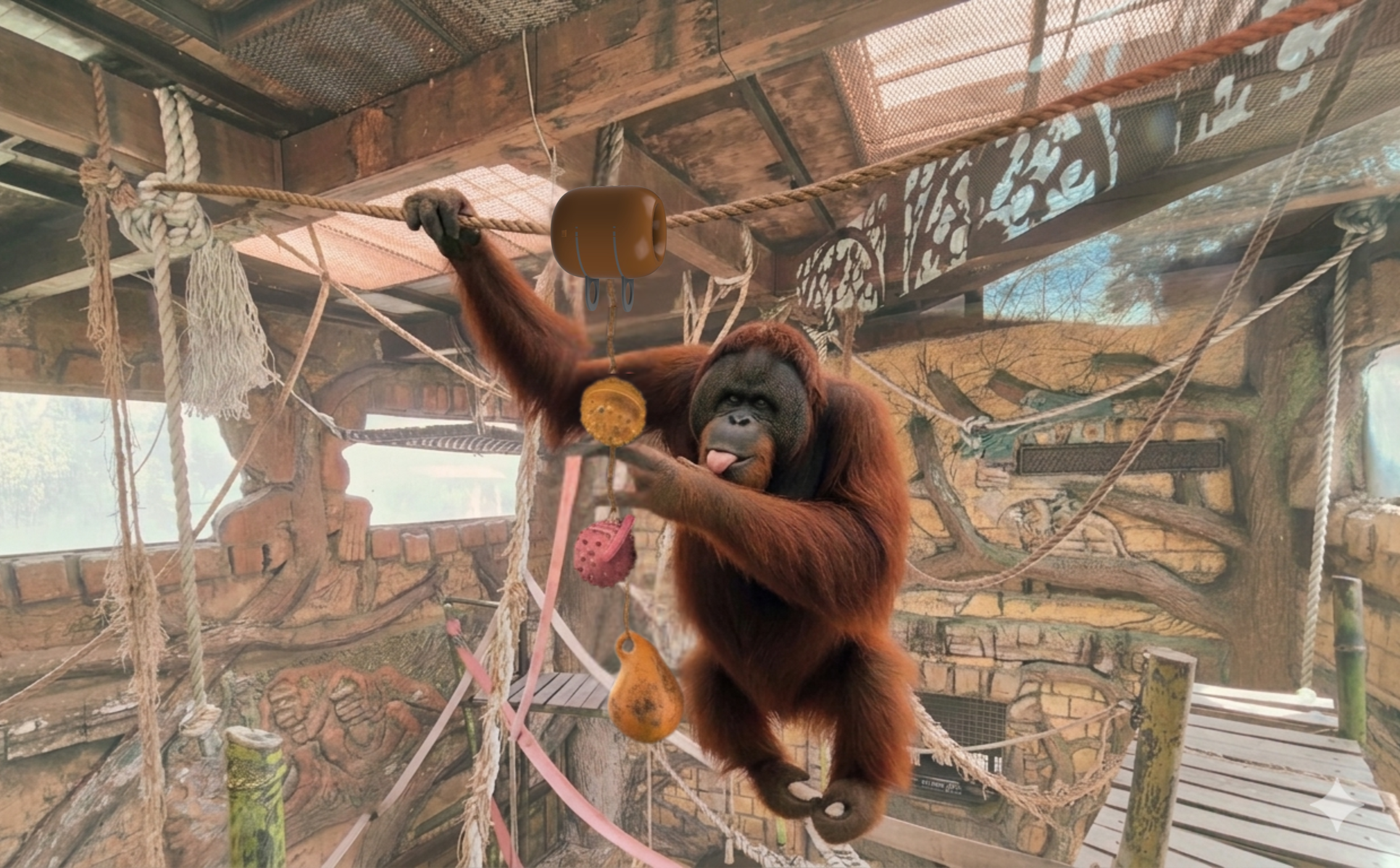
This project consisted in a alimentation system for Sandai, a Bornean orangutan at BuinZoo, aimed at enriching his feeding routine through physical and cognitive stimulation, promoting the natural behaviours of foraging and brachiation.
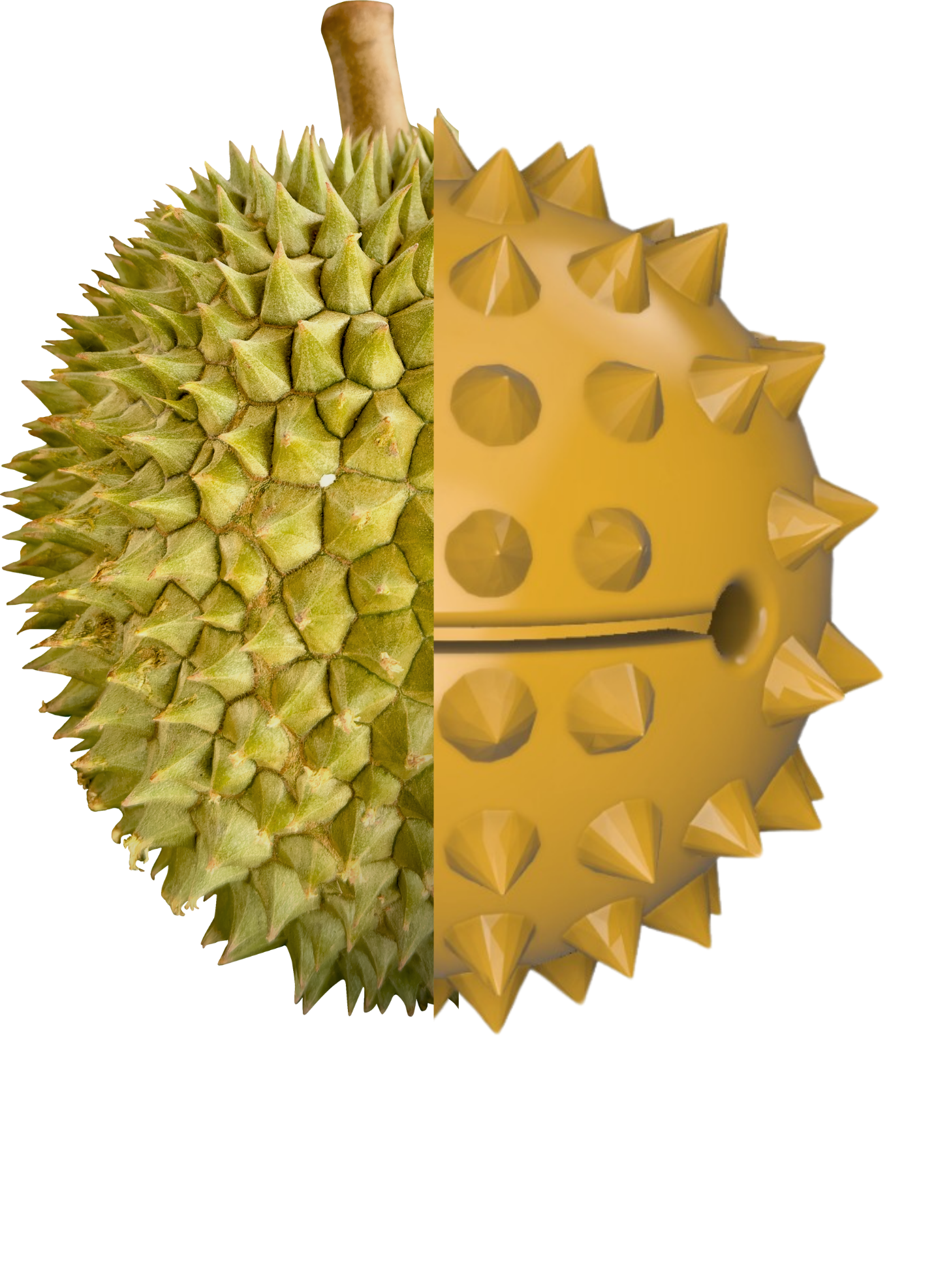
The solution combined three silicone capsules replicating wild fruit foraging, and a mobile-controlled electric cart capable of delivering food to elevated points within the enclosure.
Capsules
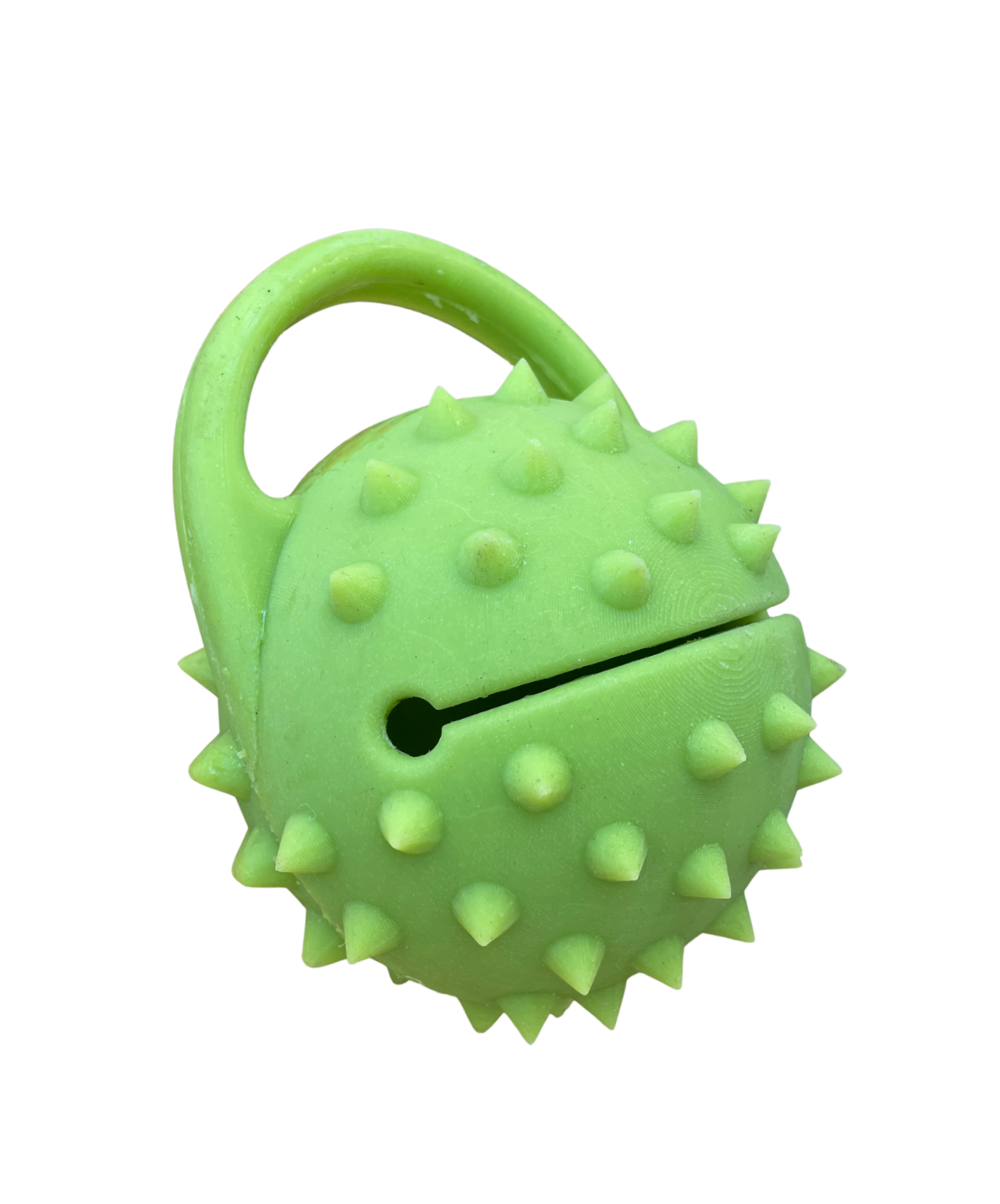
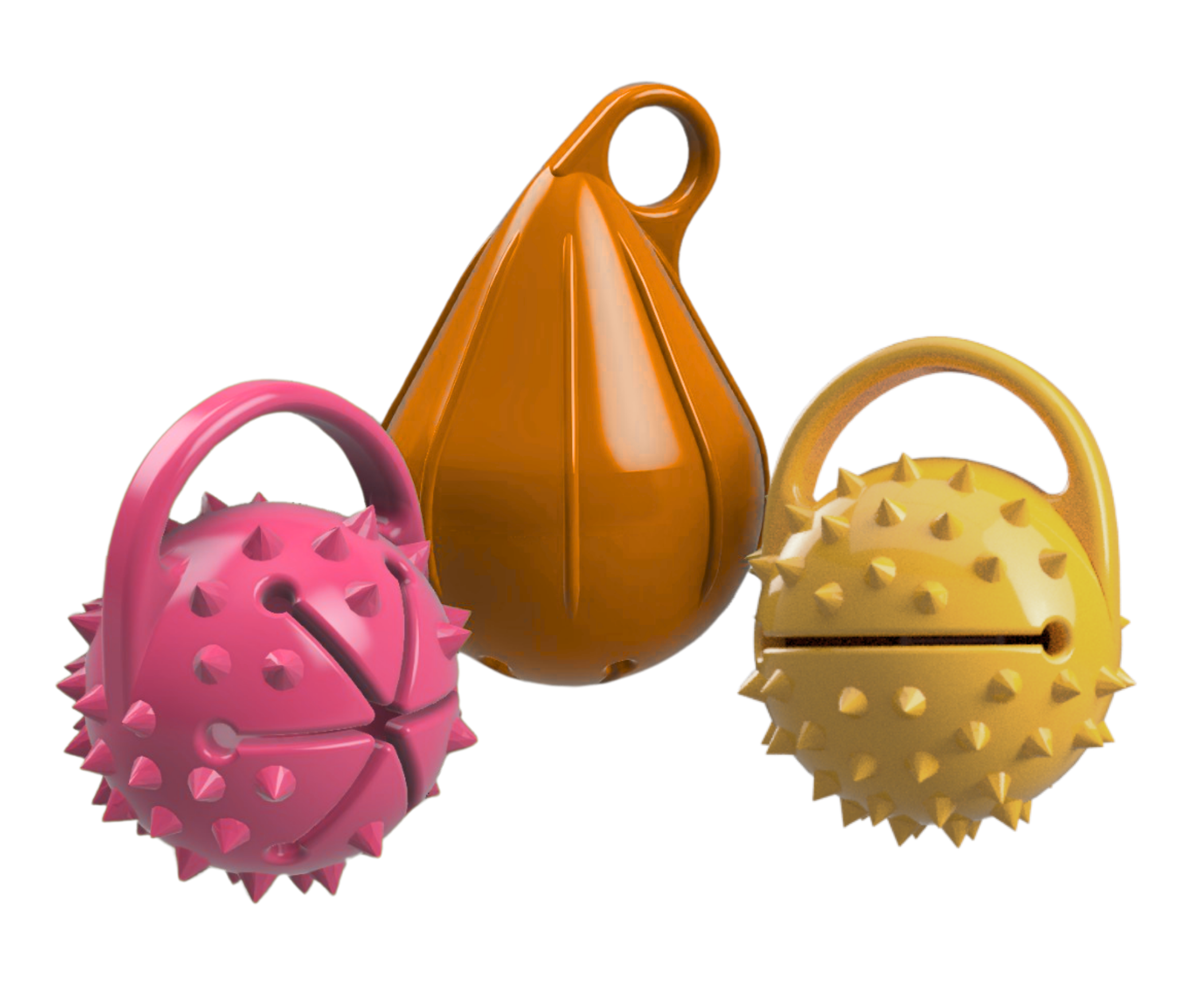
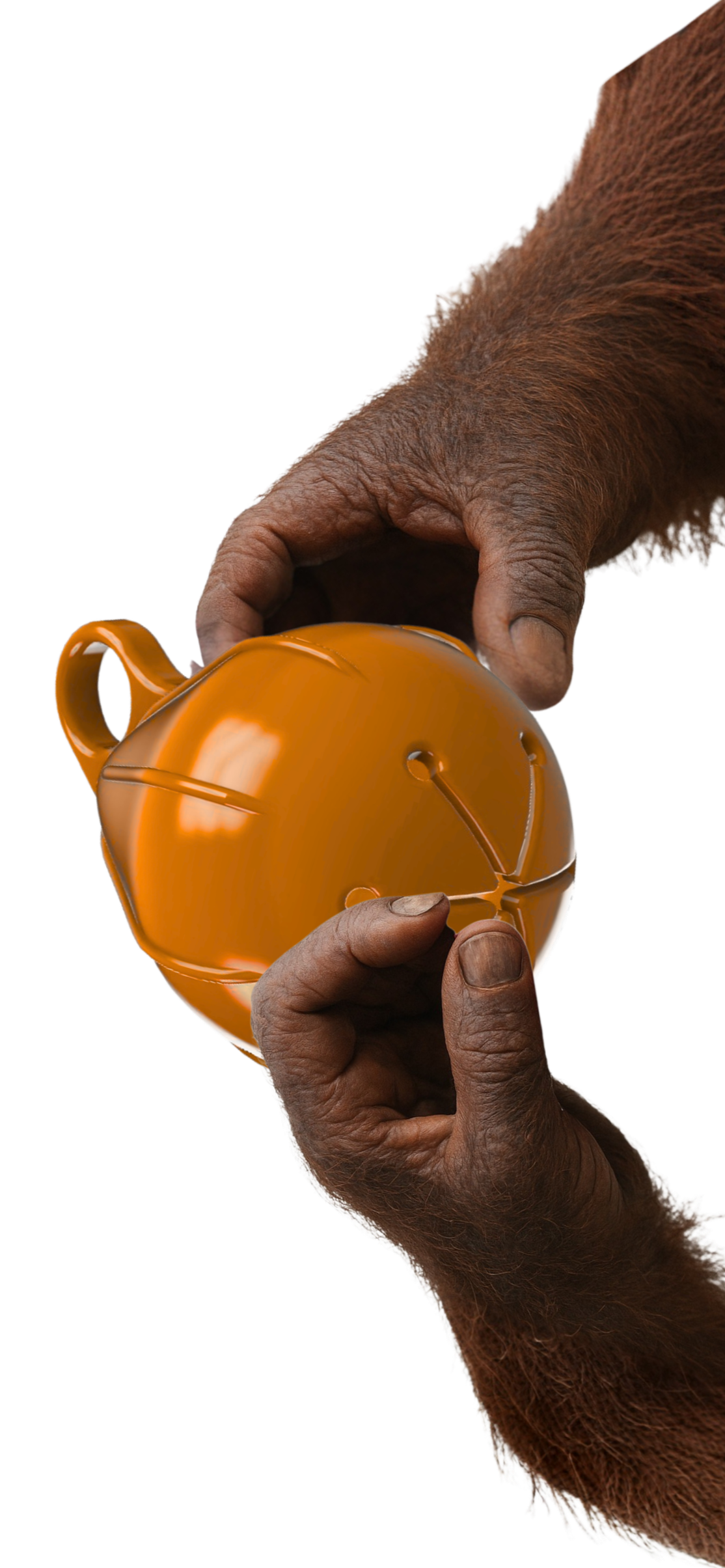
Designed to replicate the gesture of peeling fruit skin.
We made sure that Sandai was capable of obtaining his food…
Durian
Fig
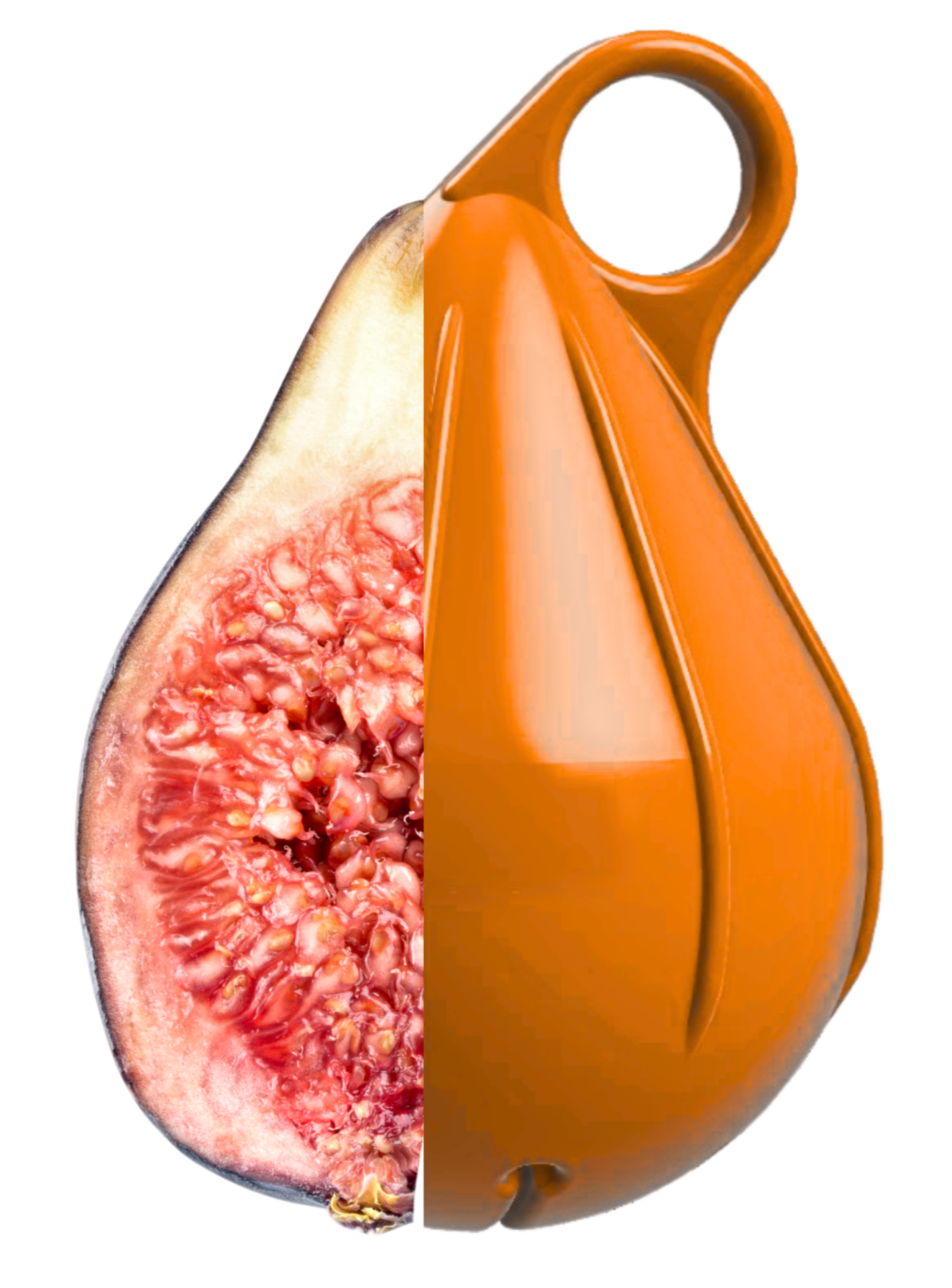
A set of three rubber silicone capsules made from FDA-approved, food-safe material.
and also that his roommates couldn’t (they are great thieves).
Motorized cart
Designed to move along the enclosure’s ropes using three wheels that wrap around them. It is remotely controlled through a mobile app.
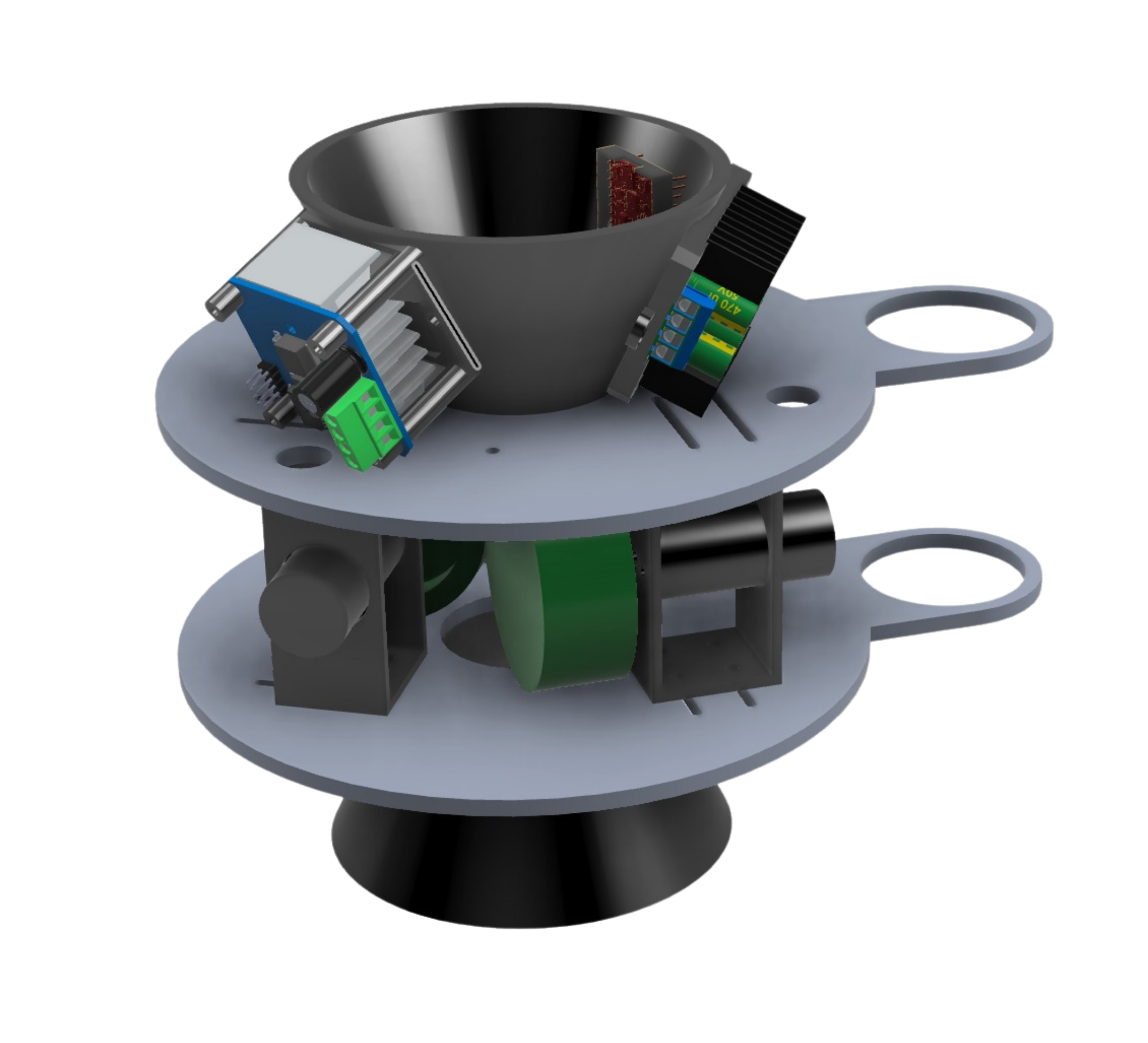
The device features a protective casing that prevents finger entrapment and avoids any contact with the electronic components.
Tech Bootcamps
-
![]()
The team.
-
![]()
Robots that say hi.
-
![]()
Wow you really got all your cables mixed…
-
![]()
Some pop makers.
-
![]()
Biomolecular cuisine
-
![]()
Water games!
-
![]()
Explaining about AI
-
![]()
Soft robots!
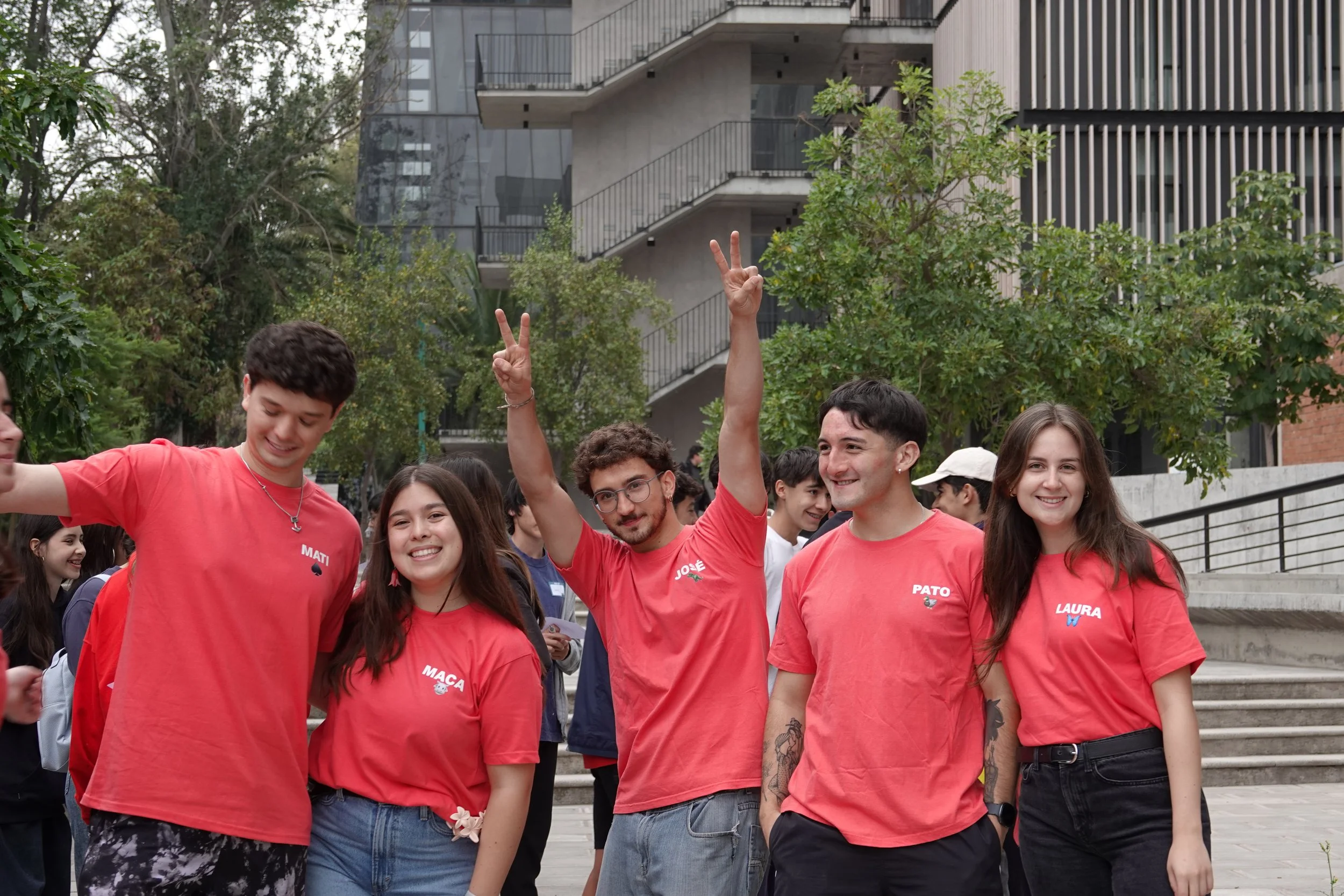
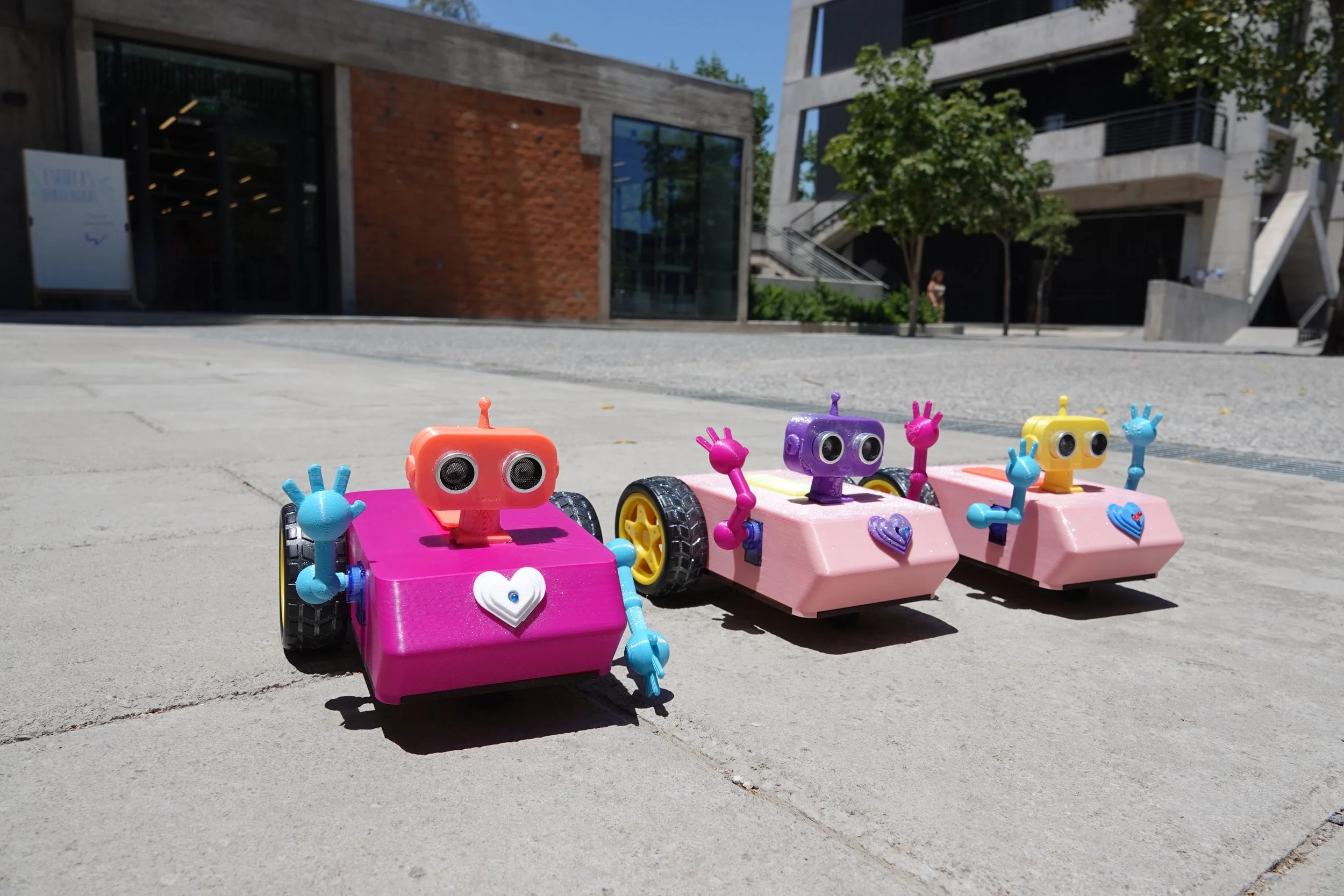
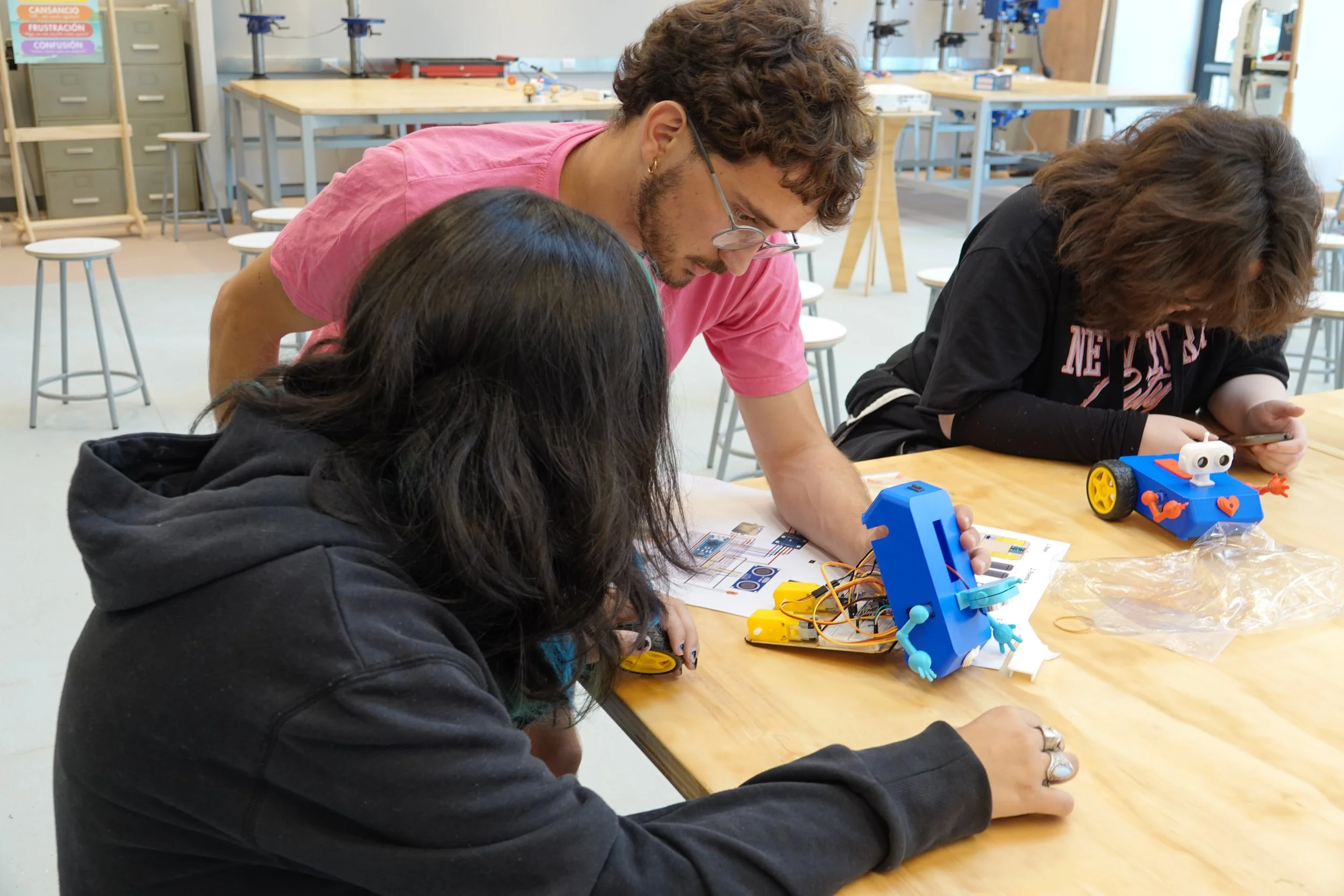
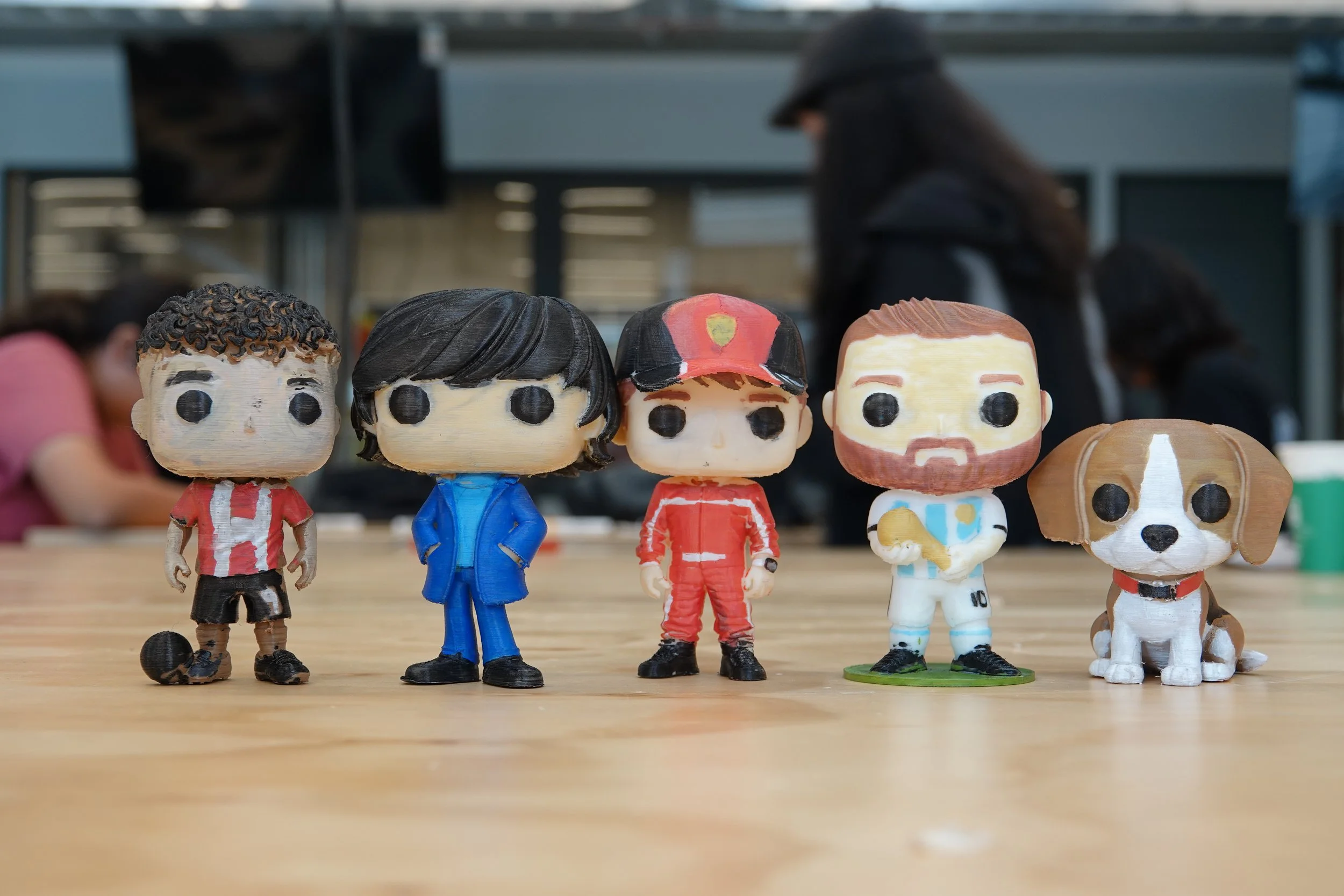
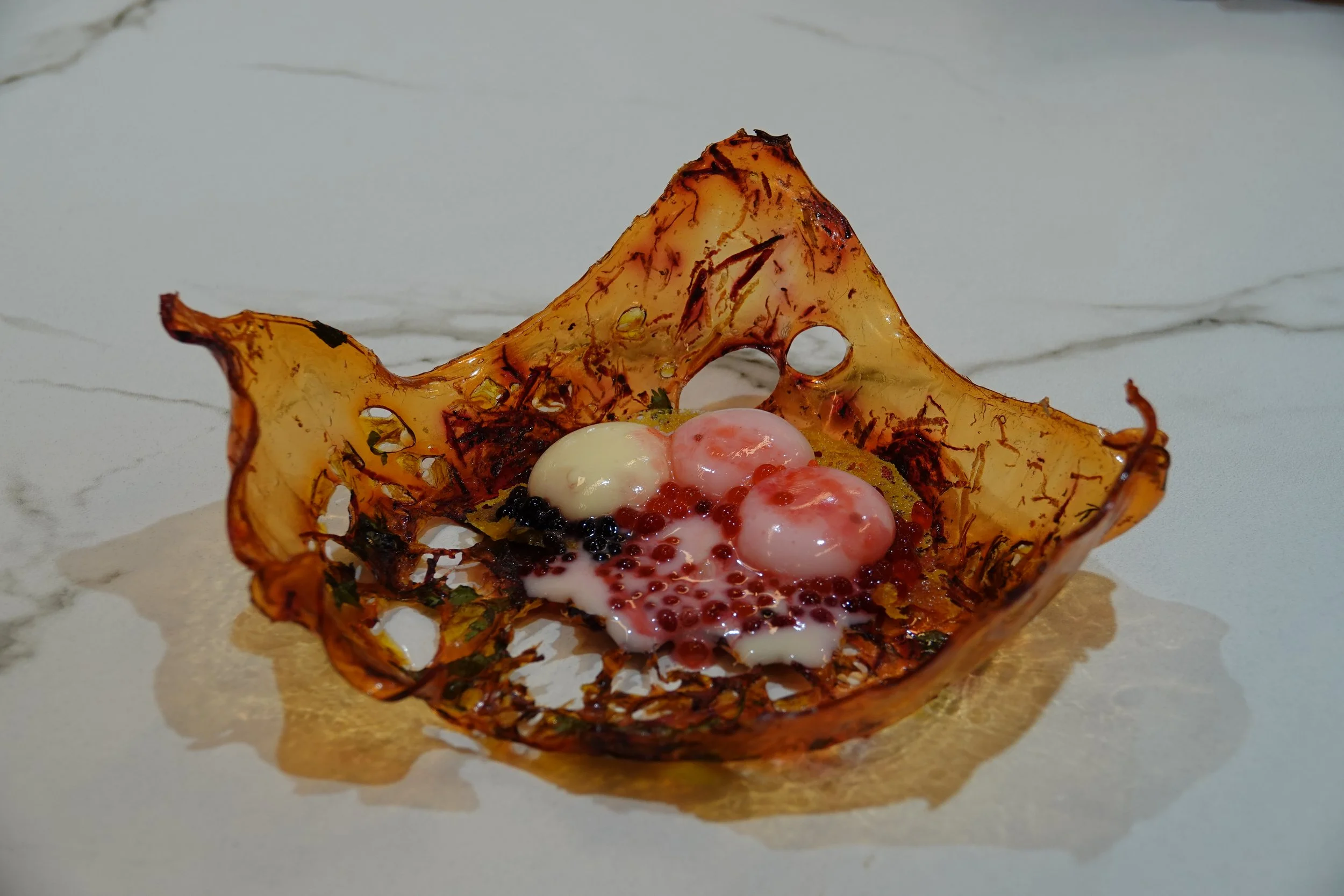
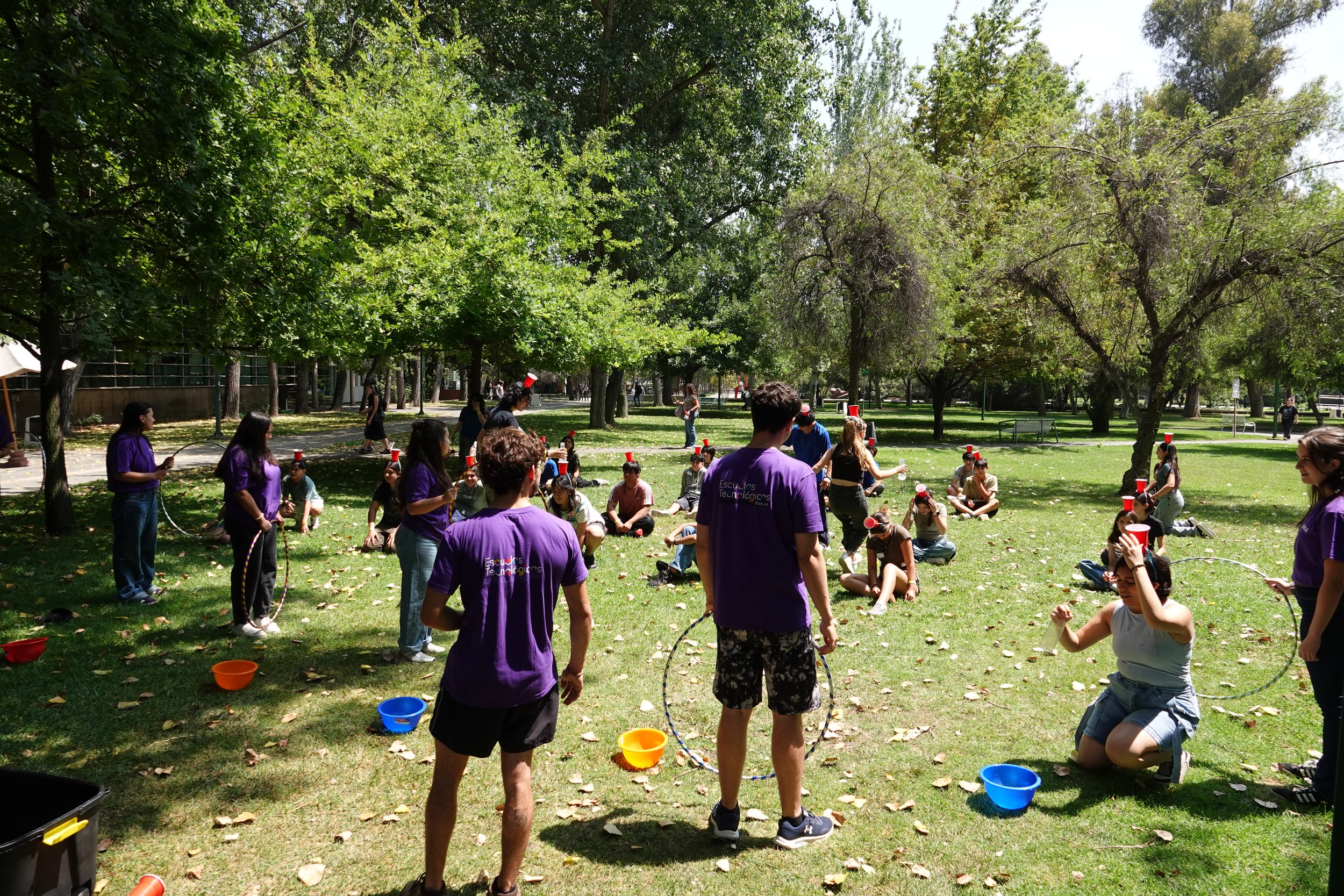
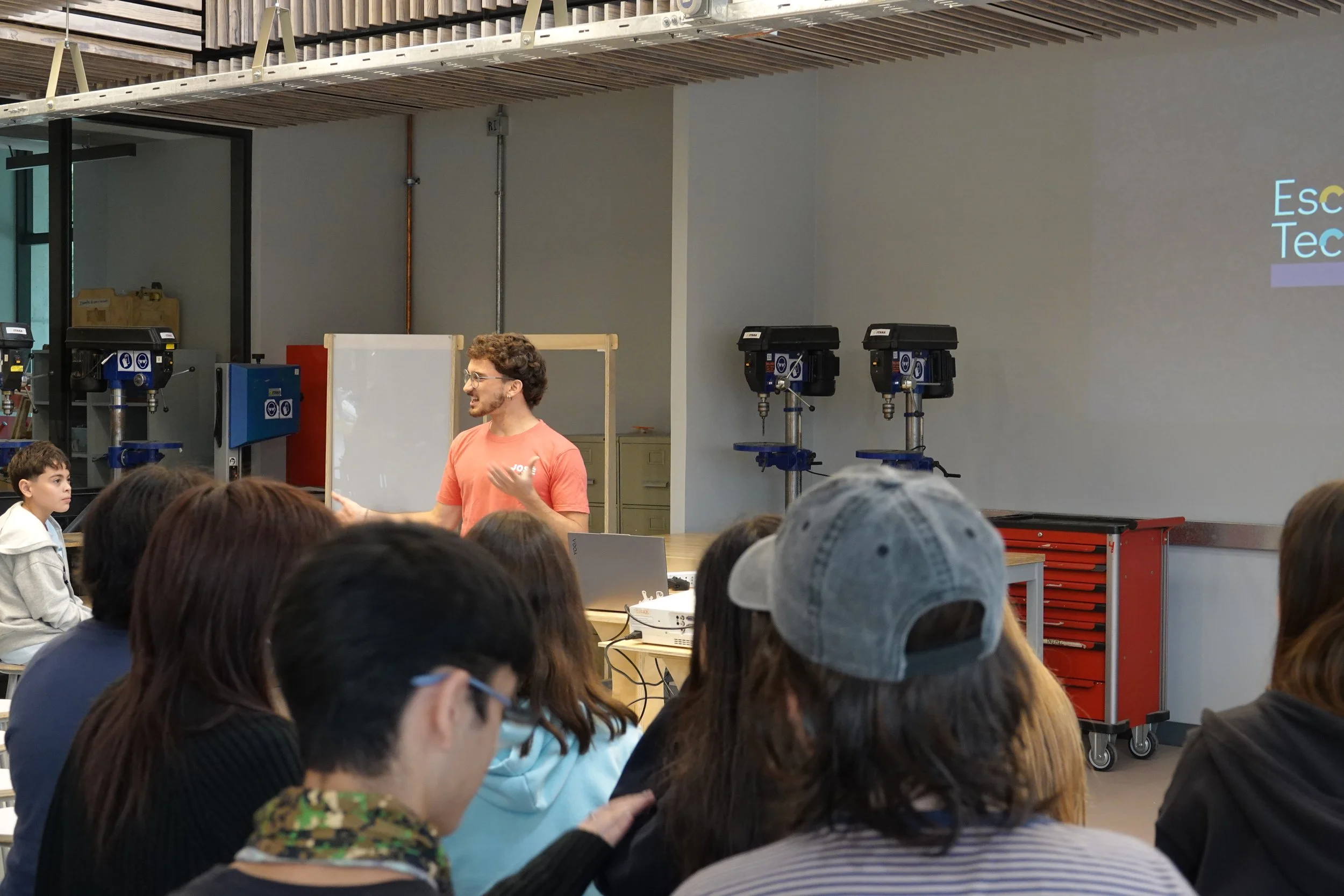
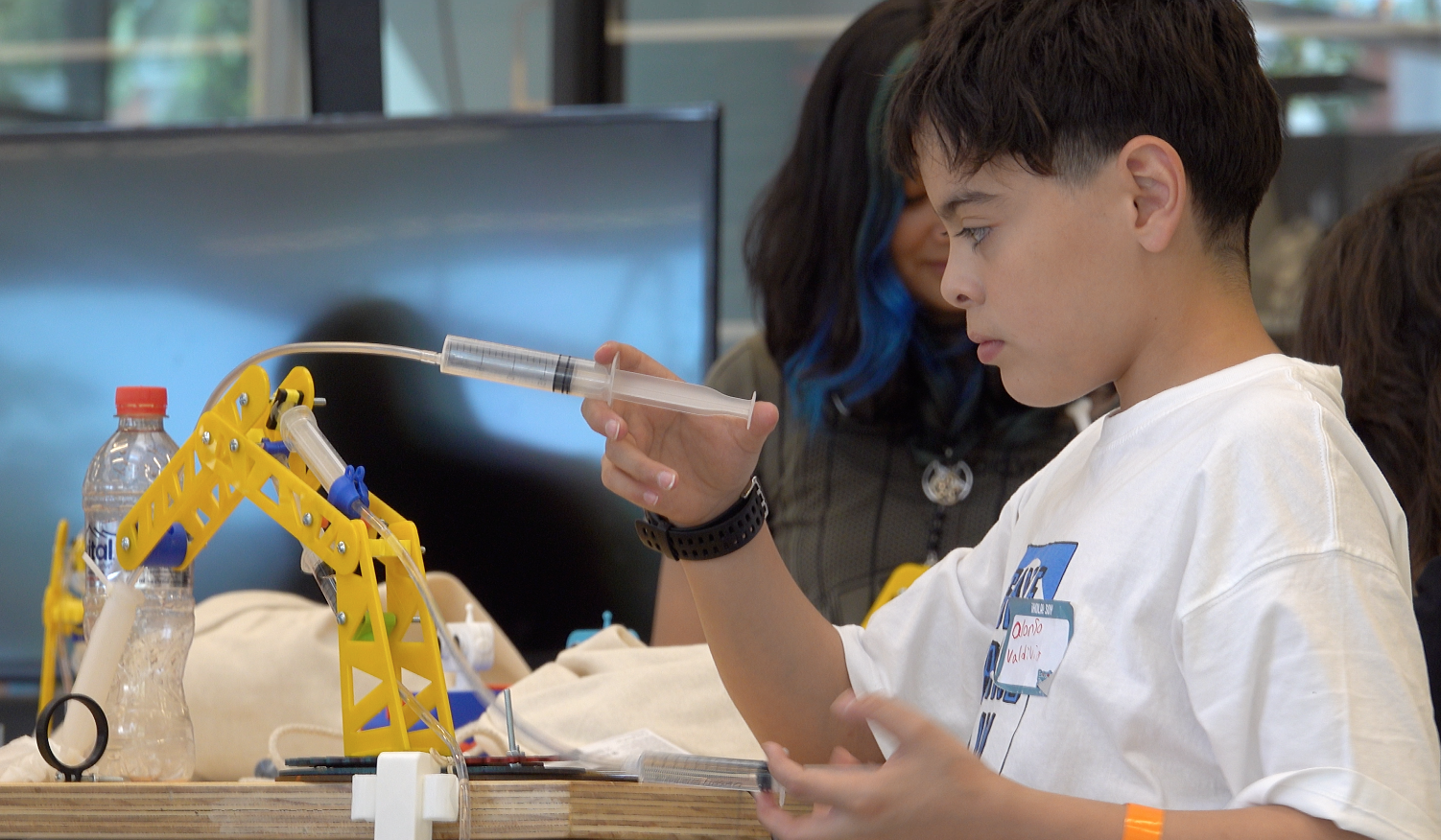
A summer program designed for secondary school students, focused on hands-on exploration through diverse technological projects. We introduce the kids to topics such as artificial intelligence, electronics, biomaterials, and digital fabrication.
pop makers
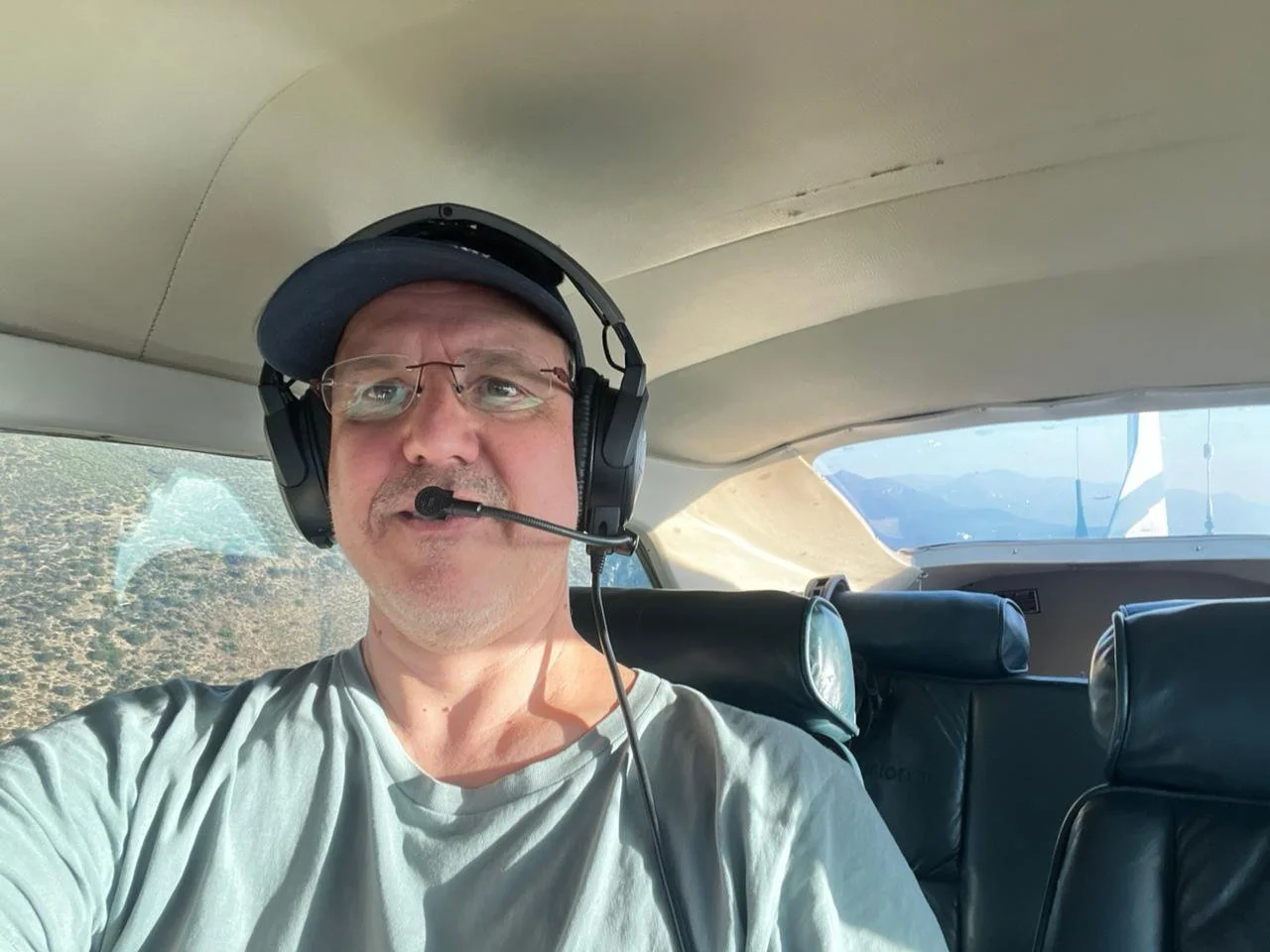
We start with a reference picture.

Emotional panel
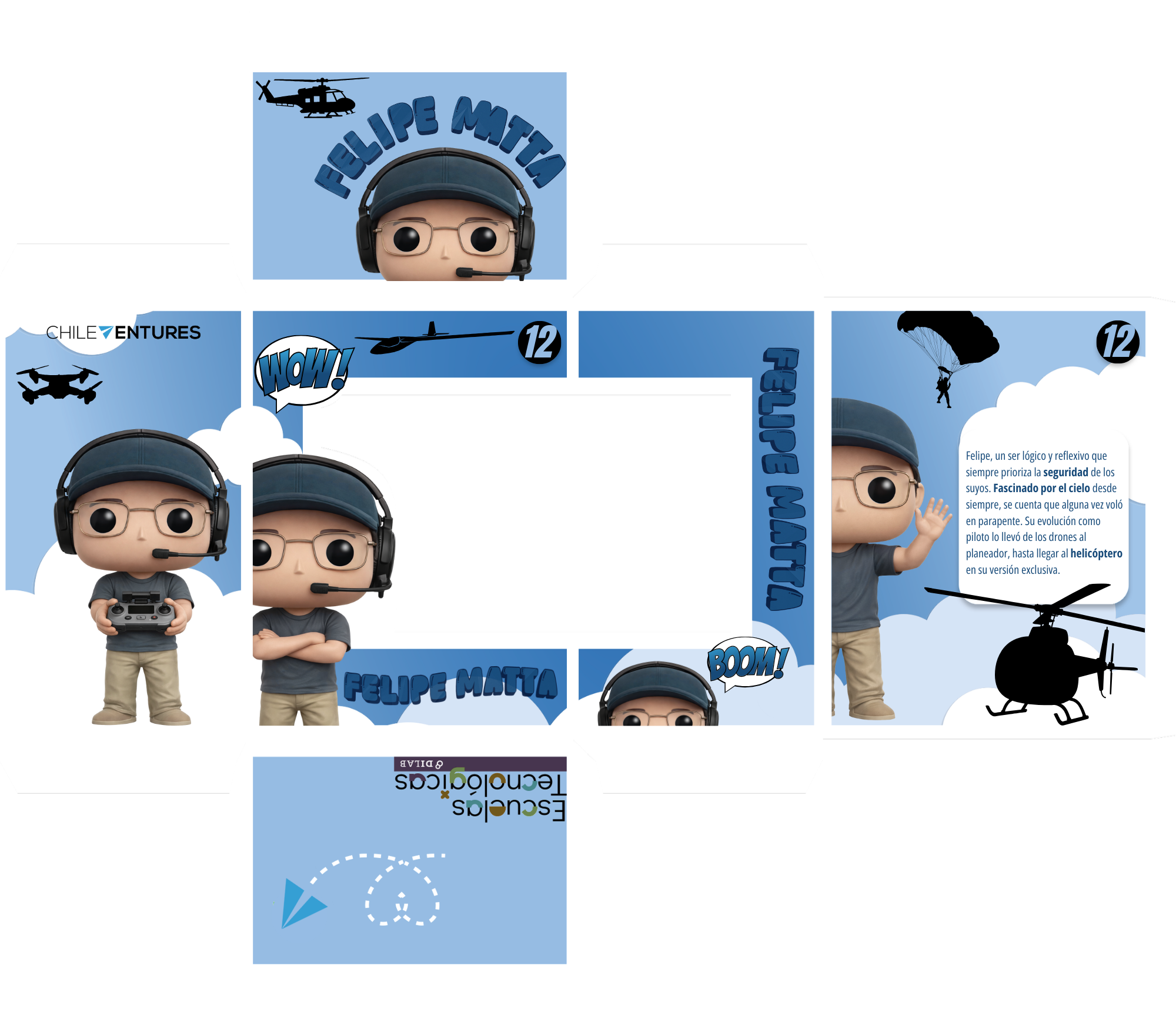
Then generate an image using AI, with “funko pop” style.

Design the graphic packaging for the box.
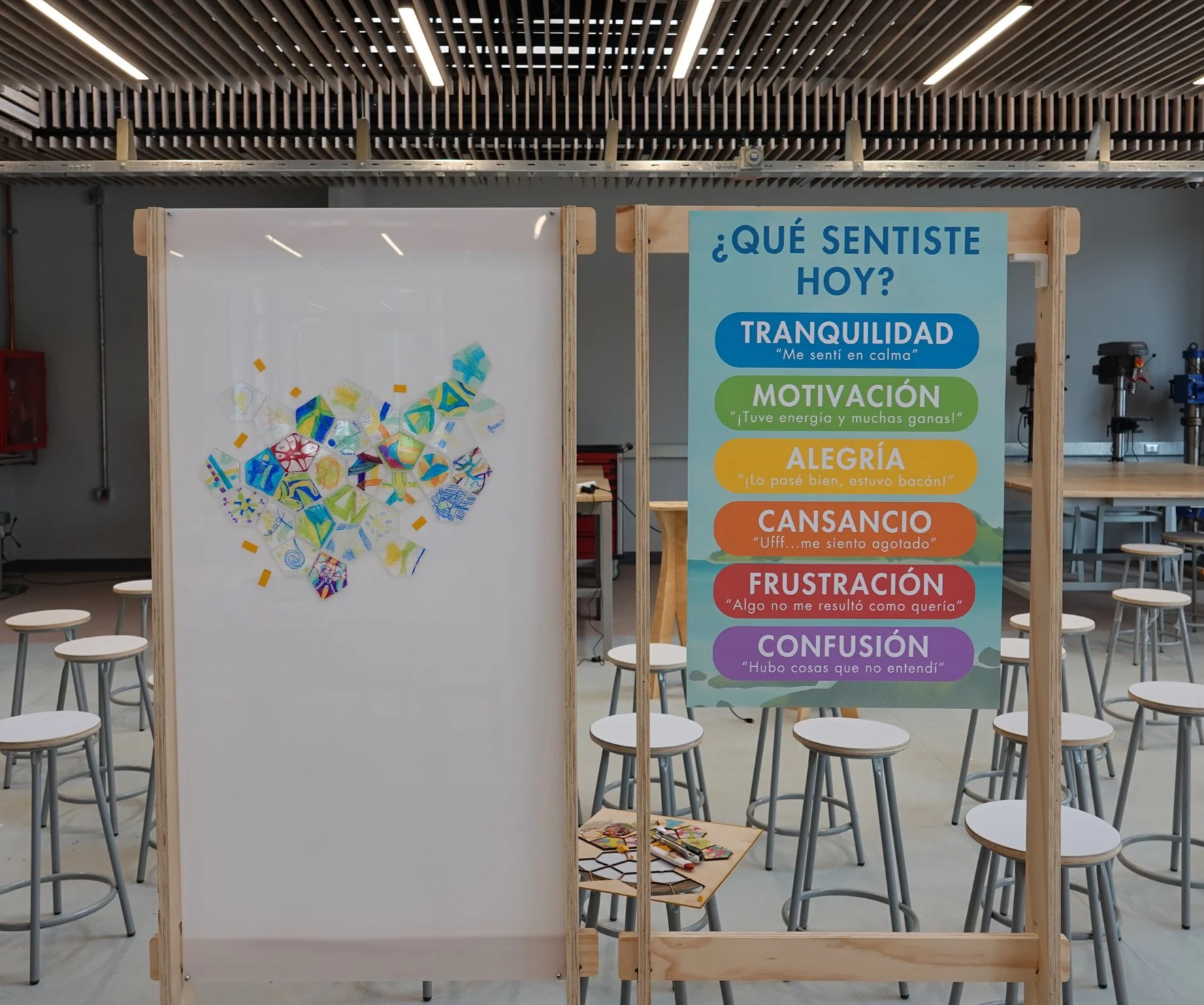
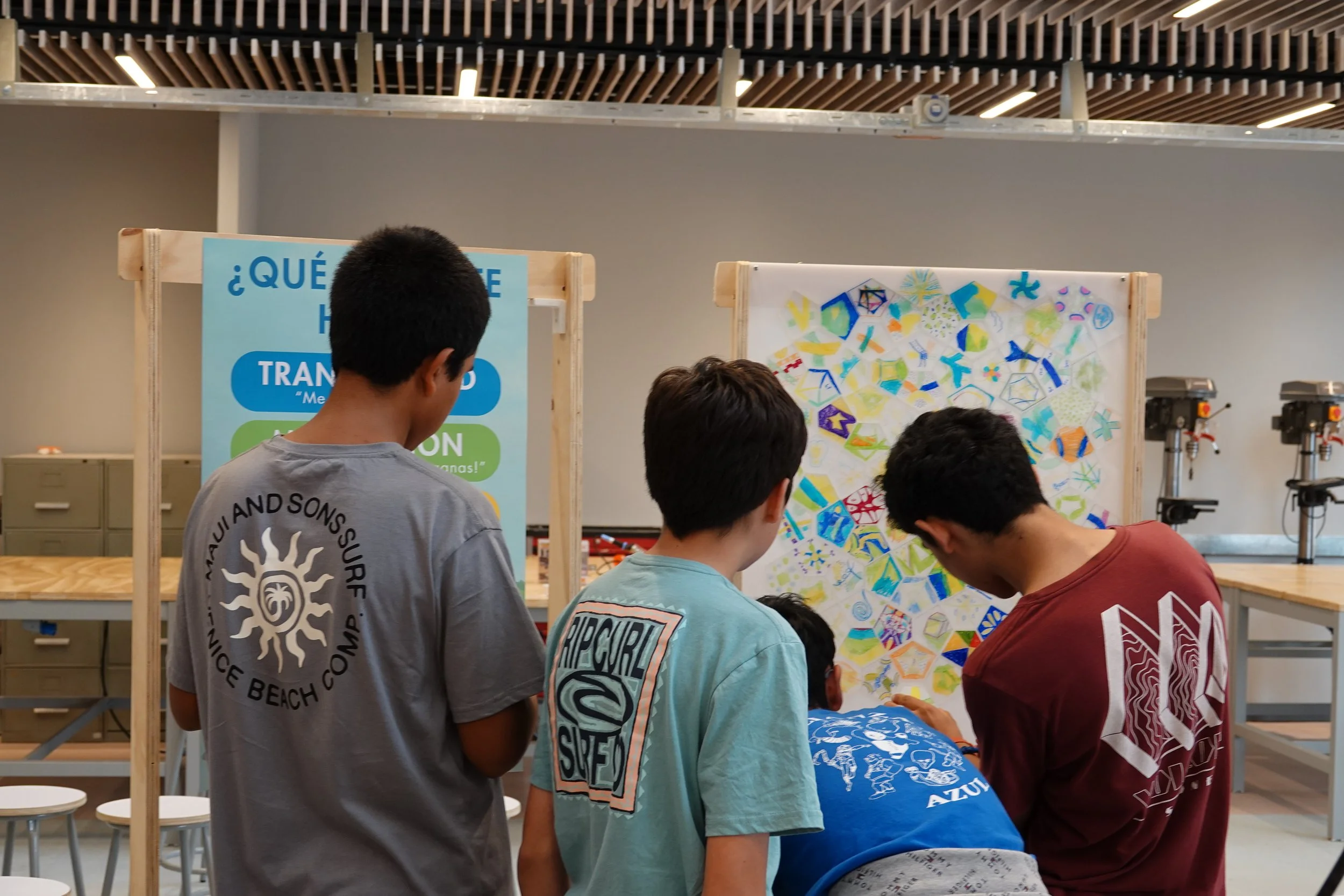
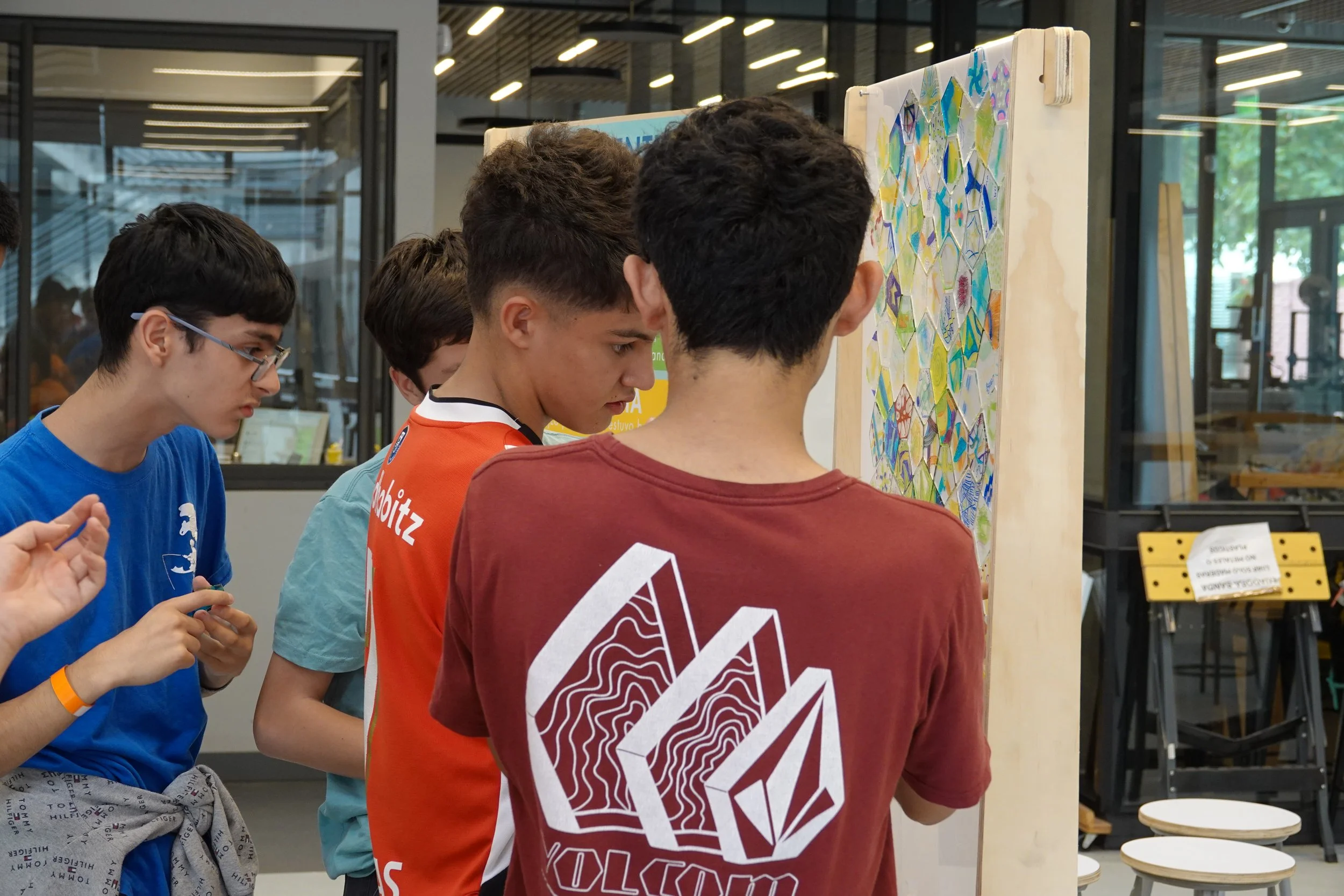
The emotional panel was a collective artwork in which, at the end of each day, each child colored an acrylic piece using a color palette that represented how they had felt throughout the day.
Generate a 3D model, with another AI. Send to print!
After coloring the figure, we assemble the box.
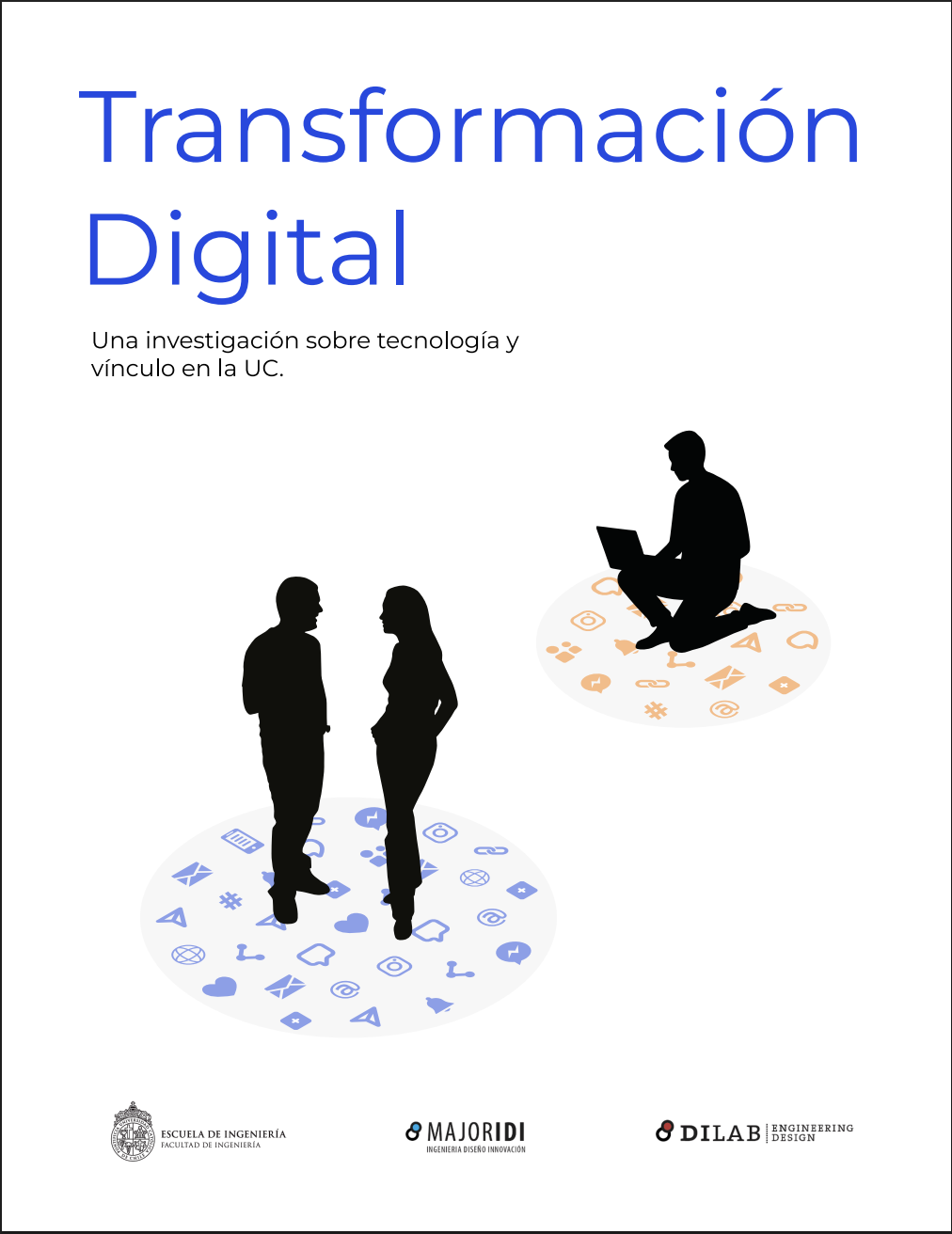
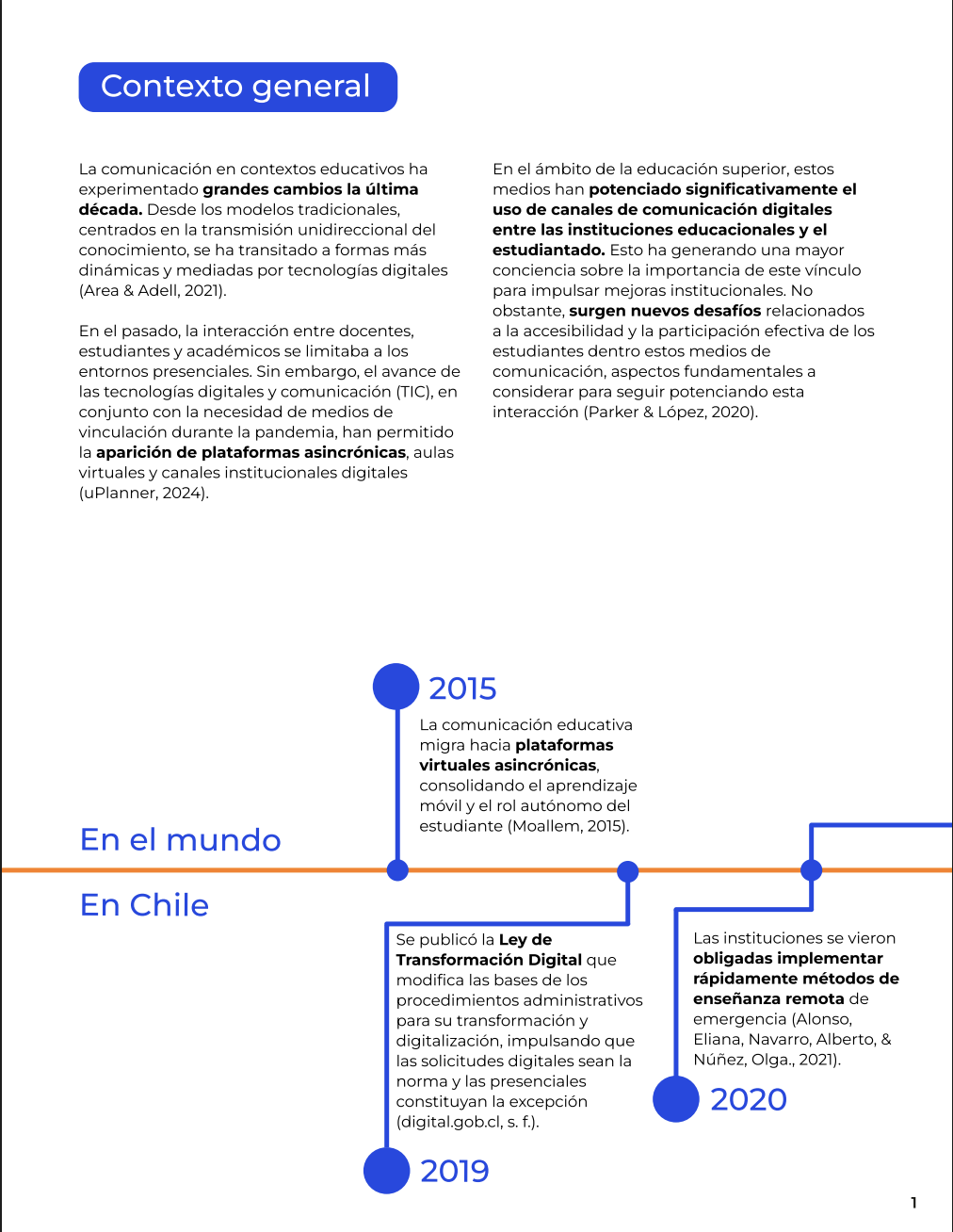
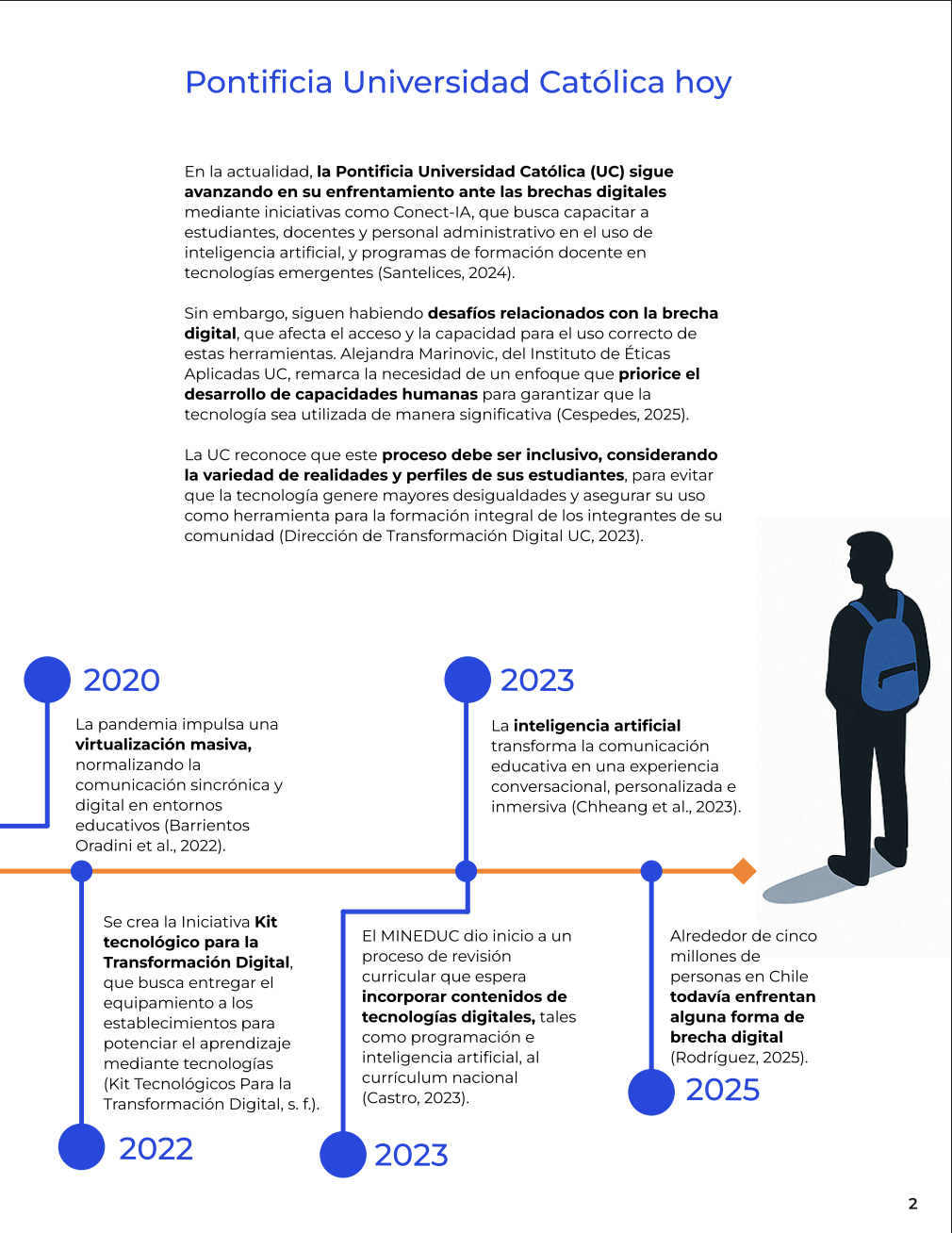
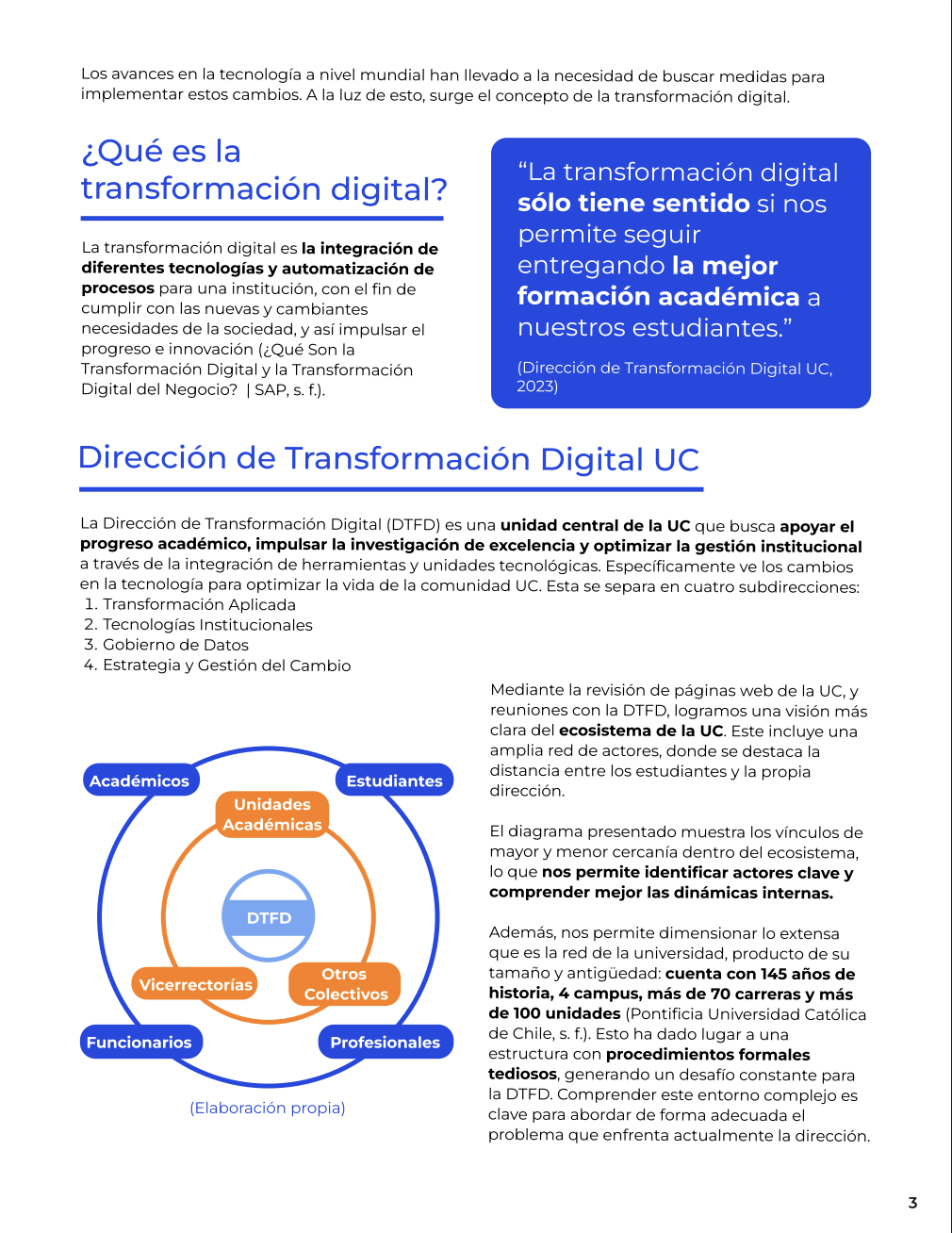
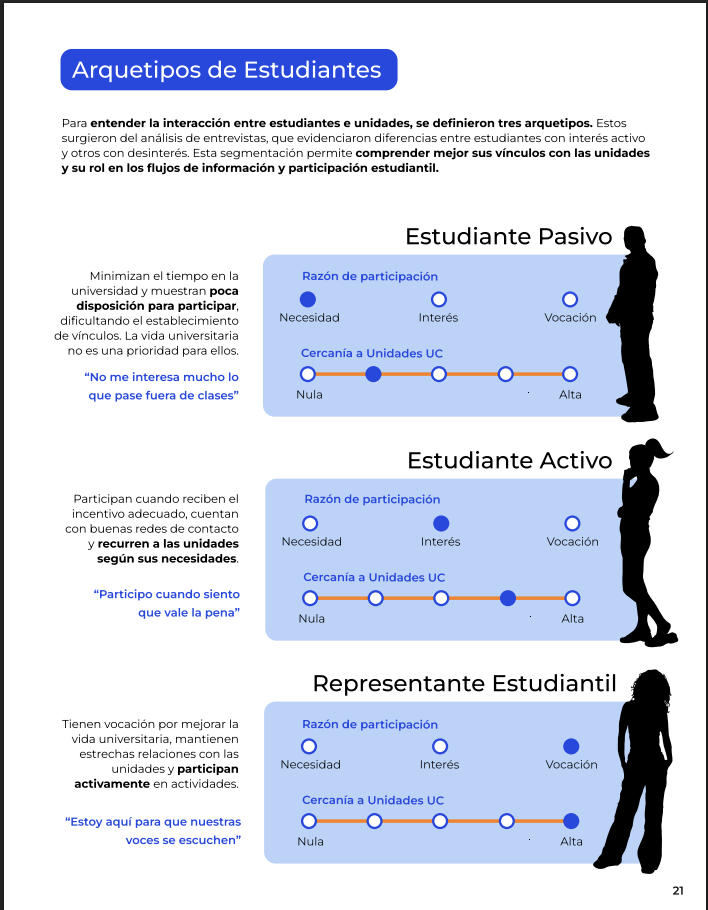
Digital Transformation Report
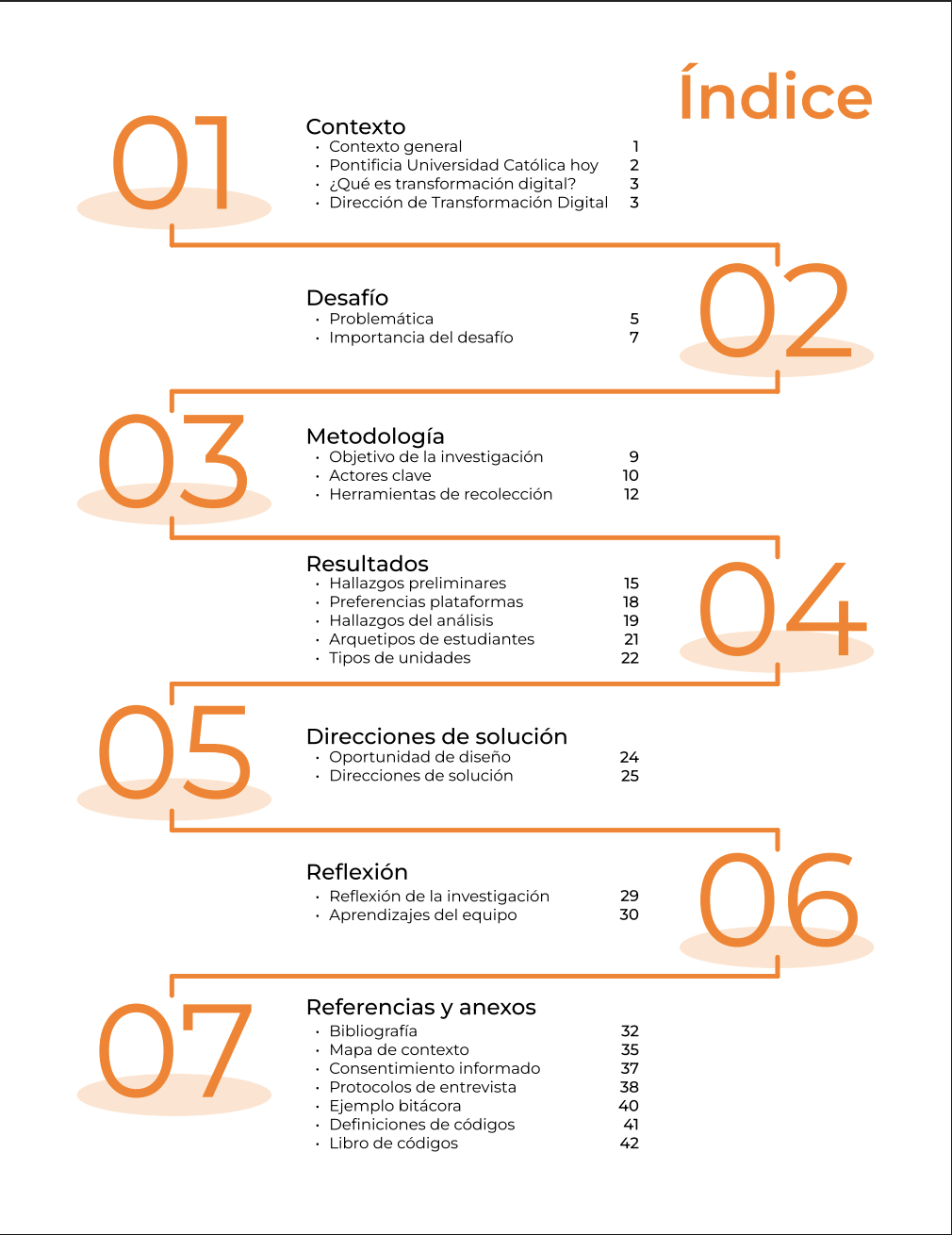
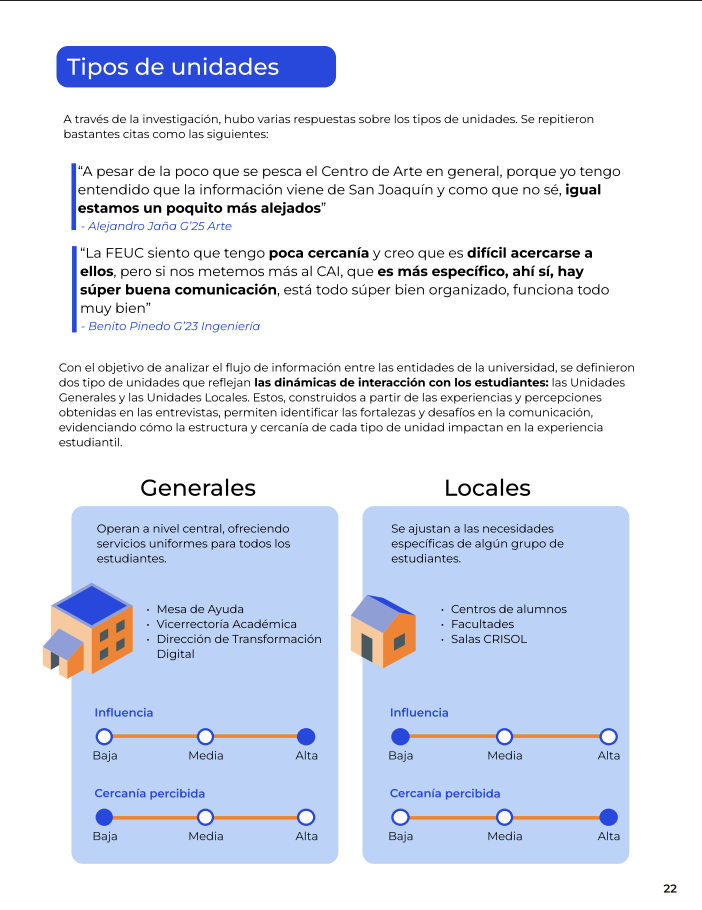
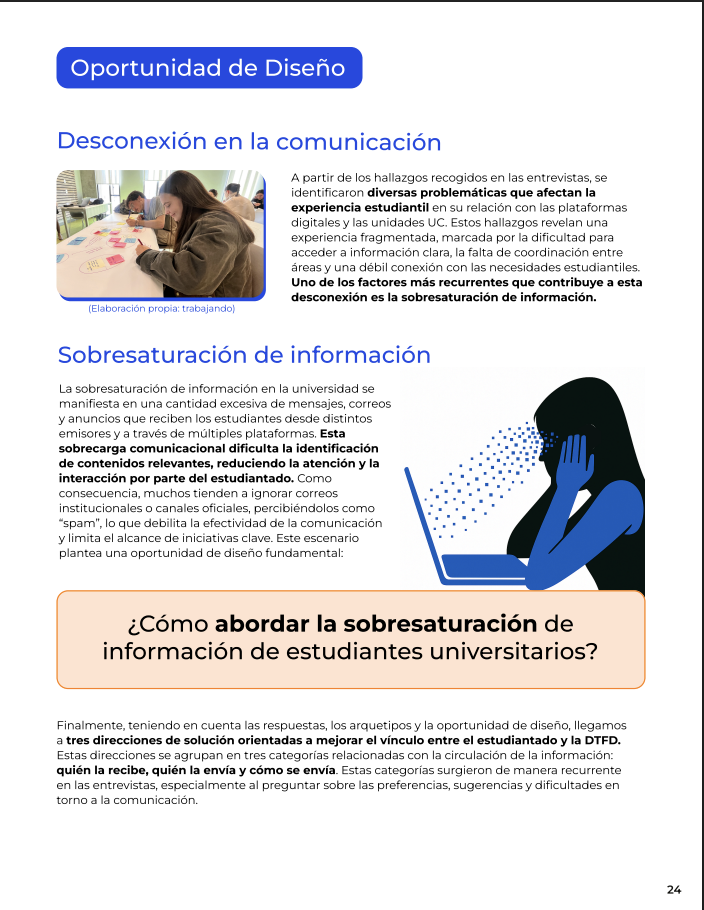
This research examines the relationship between students and the university, revealing a strong communication gap driven by information overload and low institutional visibility. Using qualitative methods such as interviews and elicitation activities, the study identifies students’ preference for concise, familiar communication channels and closer institutional units. We propose leveraging these channels and combining digital and in-person strategies to improve engagement.
A selection of the report pages is shown below.

biomaterial flowerpot
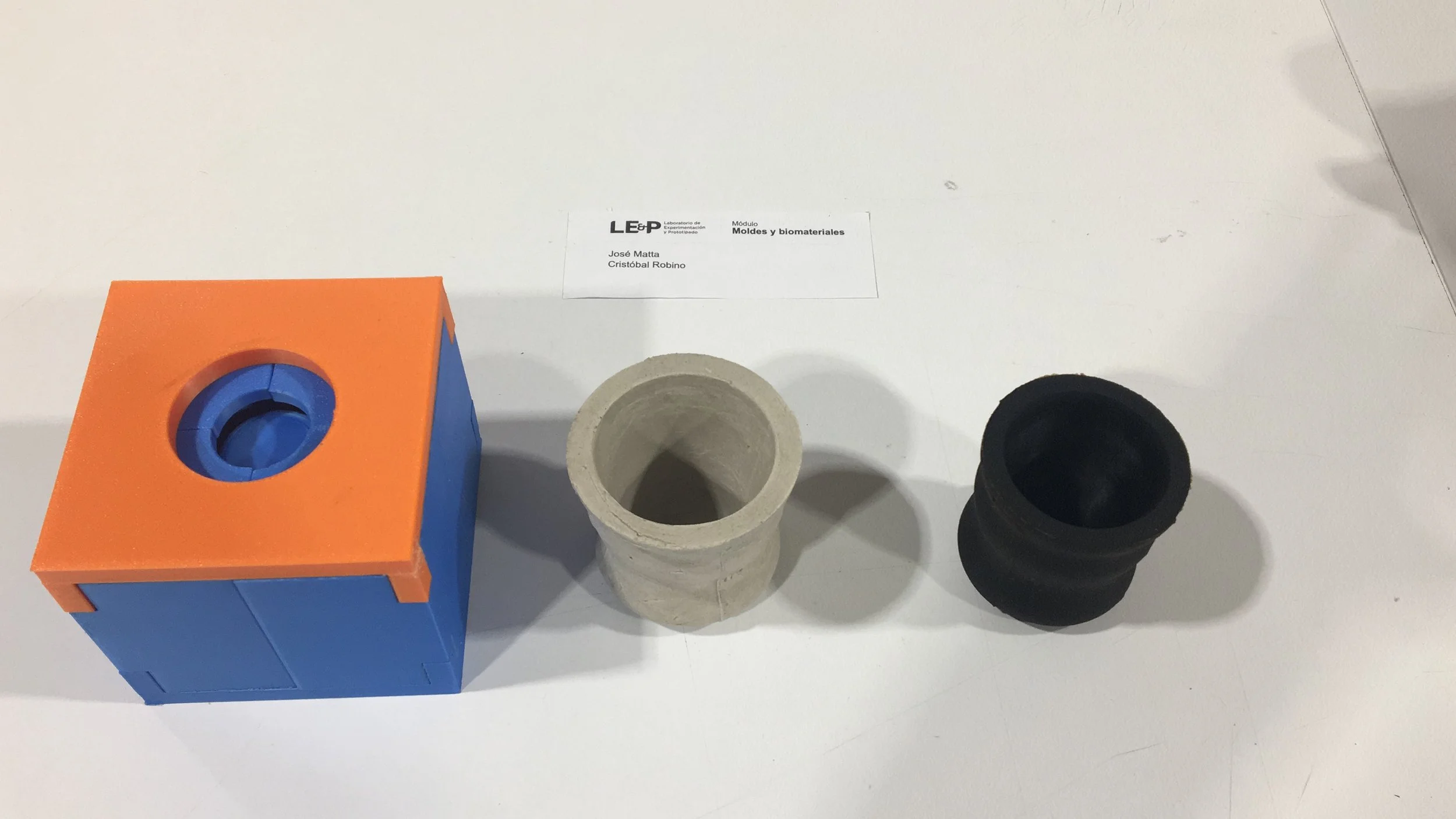
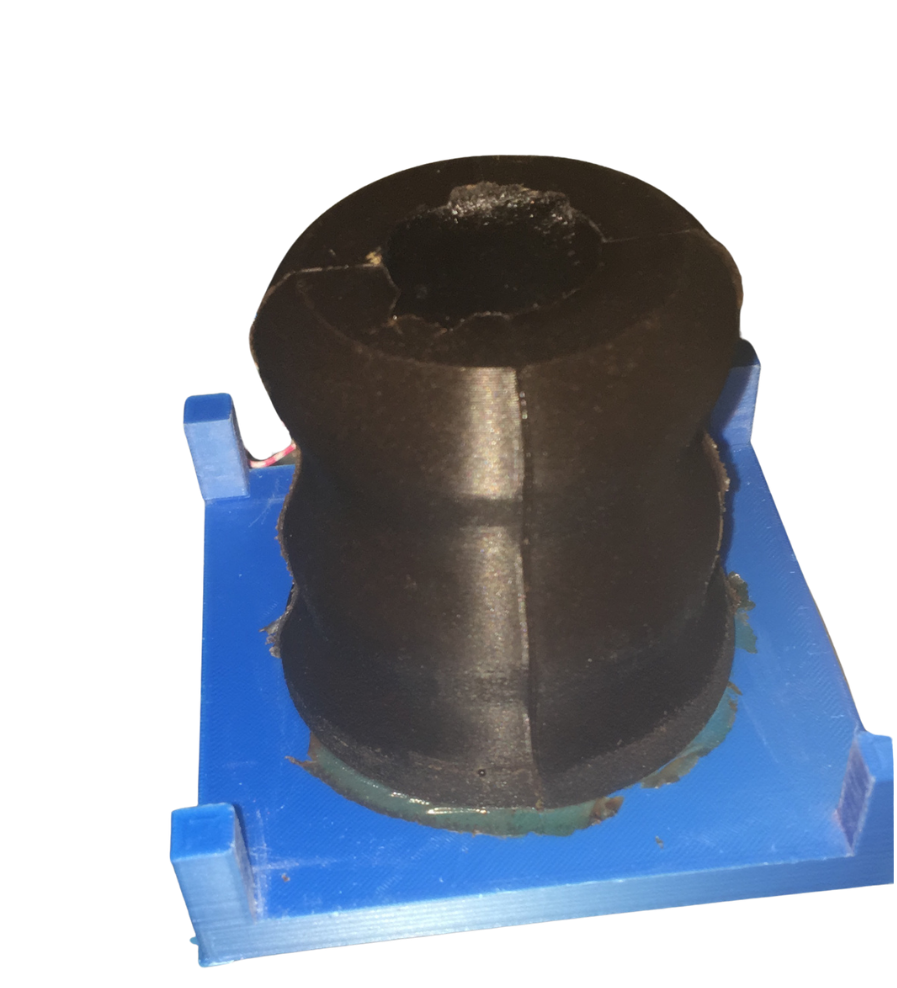
Followed by the design of a mold with detachable parts
After testing the mold with cement, a biomaterial made from coffee grounds and glycerin soap was used.
A flowerpot was designed in Fusion 360.